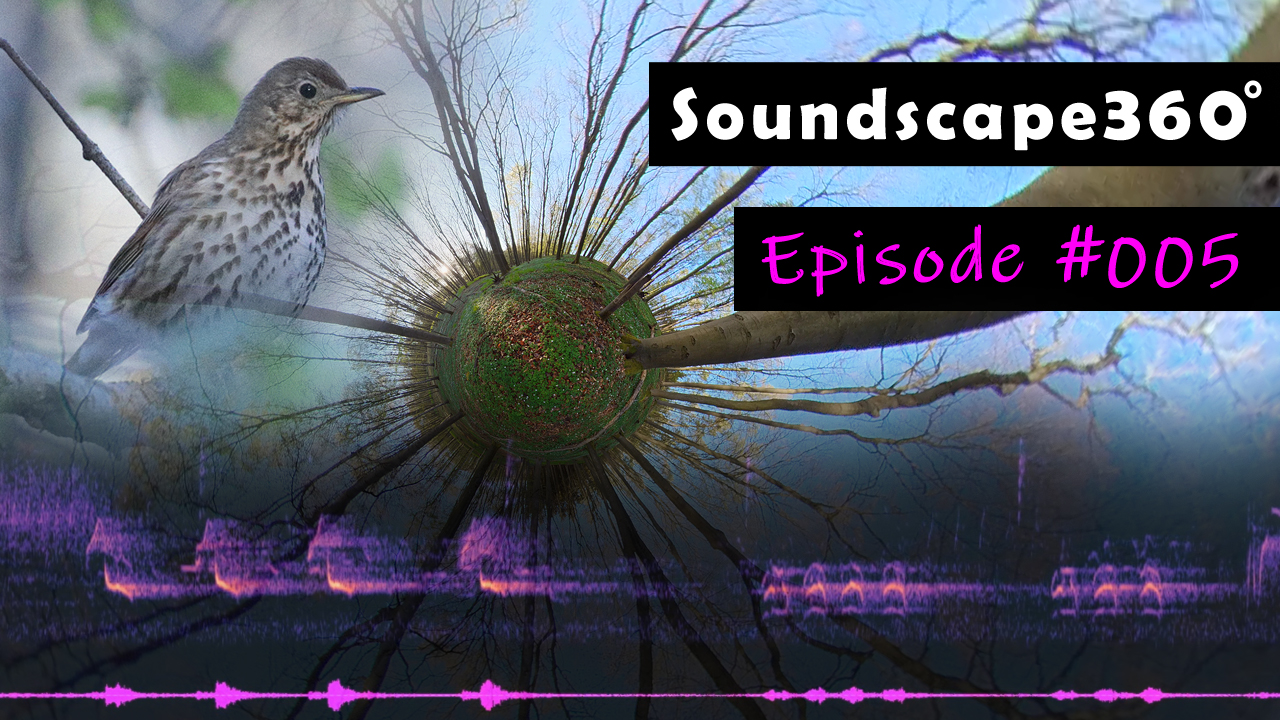
A cold morning in a Central European Beech forest. Bird song activity is rather low, but the loud song of a Song Thrush can be heard throughout the recording. Despite its song is very variable, the repetitive elements makes this species an easy one to learn during a forest walk.
The sounds of birds, mammals, amphibians, insects or anything that is human-related are annotated in the spectrogram below and include:
Song Thrush – Singdrossel – Turdus philomelos
Great Tit – Kohlmeise – Parus major
Wood Warbler – Waldlaubsänger – Phylloscopus sibilatrix
Hawfinch – Kernbeißer – Coccothraustes coccothraustes
Common Crane – Kranich – Grus grus
Common Chaffinch – Buchfink – Fringilla coelebs
Eurasian Blackcap – Mönchsgrasmücke – Sylvia atricapilla
Great Spotted Woodpecker – Buntspecht – Dendrocopos major
Willow Warbler – Fitis – Phylloscopus trochilus
Eurasian Jay – Eichelhäher – Garrulus glandarius
Blue Tit – Blaumeise – Cyanistes caeruleus
Marsh Tit – Sumpfmeise – Poecile palustris
Roe Deer – Europäisches Reh – Capreolus capreolus
 Soundscape360°