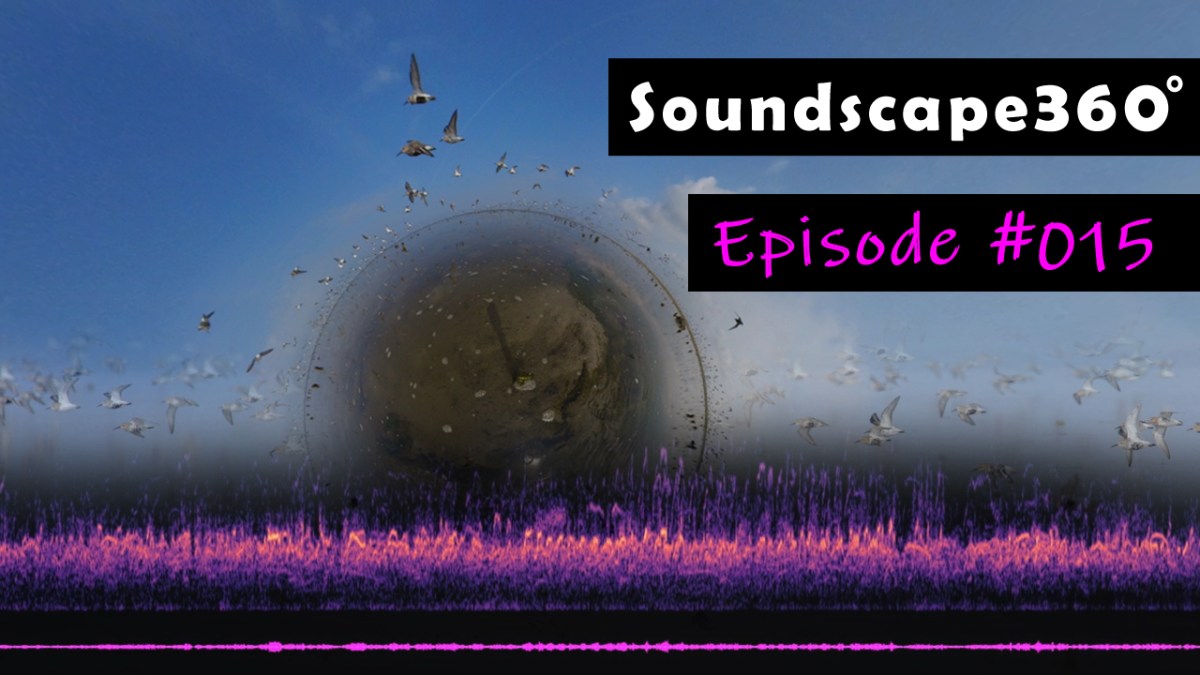
A flood of Dunlins in the Wadden Sea
We are located in the mudflats of the Wadden Sea. Soon the incoming hight tide will flood the entire area and pushes thousands of foraging birds closer to the coastline. The most abundant species is the Dunlin – a tiny wader species that uses its long beak to pick in the mud for food. You hear their chatty calls coming closer and closer and suddenly the whole flock flushes close to the camera. The sounds of birds, mammals, amphibians,…
Read more
Nightfall with European Nightjar
A warm evening in late May on a former military training ground. The sun goes down and bird song activity is high. Wood Larks are abundant and their song can be heard continuously. Willow Warbler, Tree Pipit, Yellowhammer and Common Blackbird are regular singers as well. At night the song of several European Nightjars can be heard. The songs of Field Crickets is a continuous background sound of this place. The sounds of birds, mammals, amphibians, insects or anything…
Read more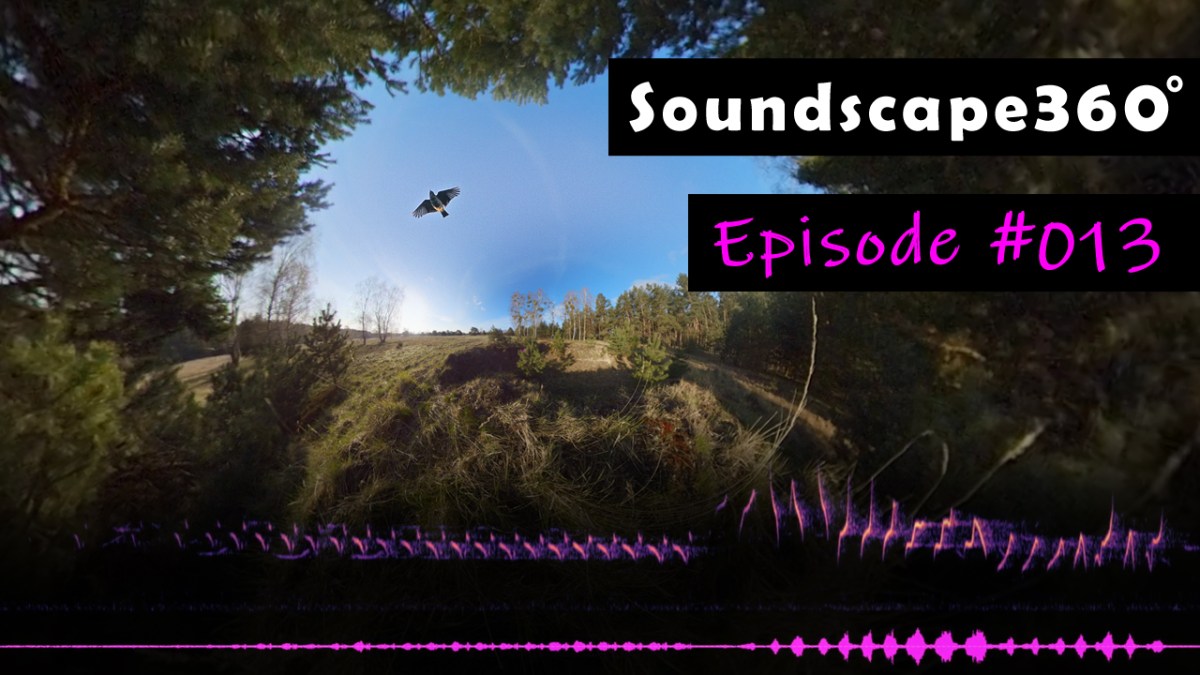
Sound of the two most relaxing bird songs in Europe captured on a military area
The location is a former military training ground. The sound recording starts just before sunrise, when the Willow Warbler is already intensely singing and later joined by several Wood Larks. Both species have very unstressed and relaxing songs and are typical inhabitants of this semi-open habitat type. The sounds of birds, mammals, amphibians, insects or anything that is human-related are annotated in the spectrogram below and include: Willow Warbler – Fitis – Phylloscopus trochilus Wood Lark – Heidelerche -…
Read more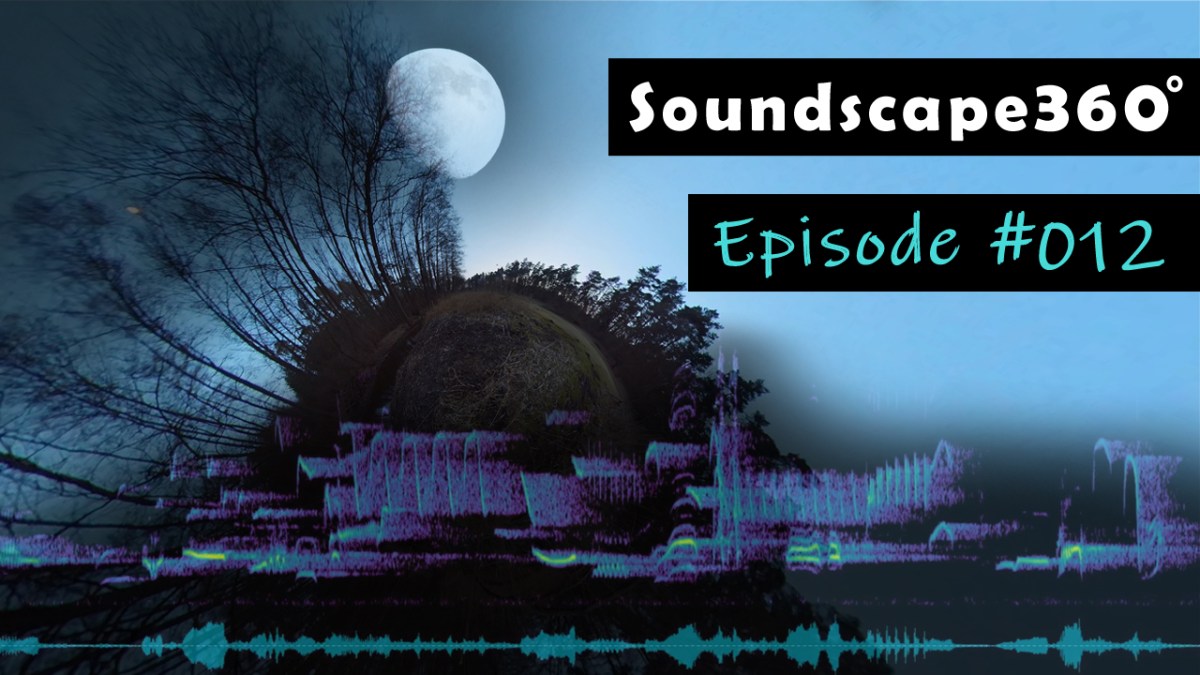
Blackbird, Song Thrush and Robin are singing on an early spring evening
Temperatures are still mild after sunset and wind is calm. It is a pleasant early spring evening in March. Common Blackbird and Song Thrush are the loudest singers of the dusk chorus joint by other forest birds as well. Night approaches and the nearly full moon shines brightly. The European Robin is the last singing bird and its song slowly fades as nightfall continues. The night is quiet, but occasionally interrupted by overflying Mallards and Goldeneyes. Redwings and Eurasian…
Read more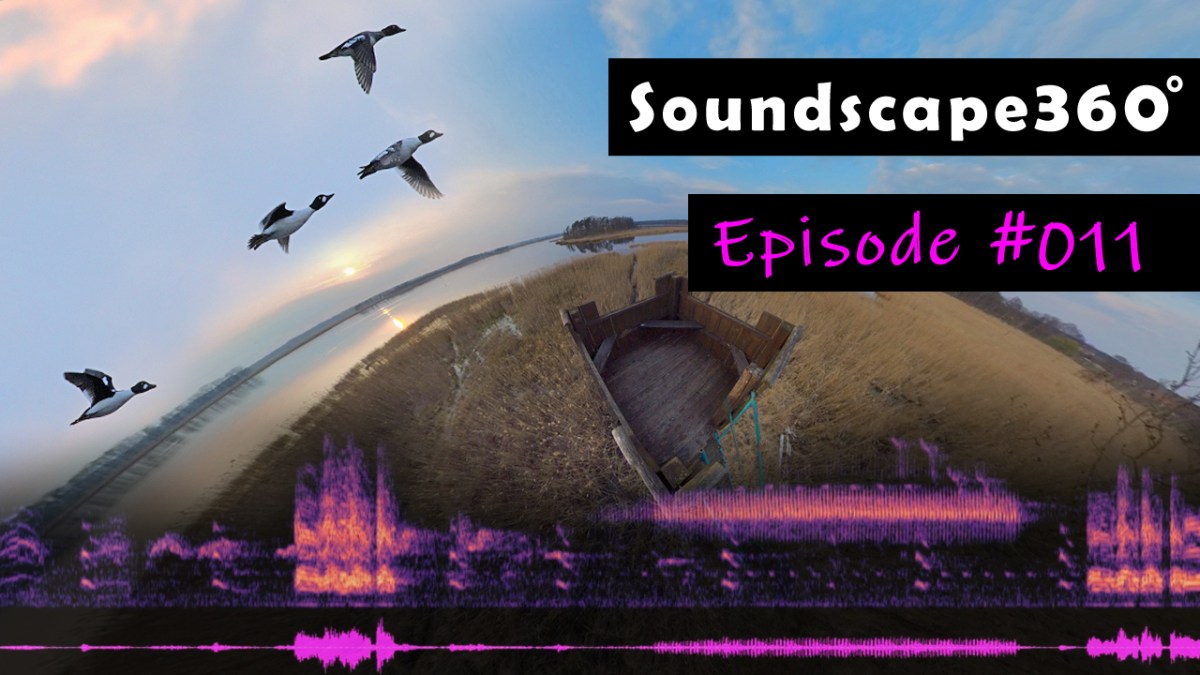
Bioacoustic evening at a small lake with singing warblers and booming bitterns
Camera and microphone capture the evening chorus at a small lake in eastern Germany. This lake is full of waterfowl and you can hear displaying Goldeneyes, Eurasian Wigeons and Eurasian Teals. Calling Eurasian Coots, Black-headed Gulls, Greylag Geese and Red-necked Grebes are everywhere. From the reedbeds we listen to the insect-like song of the Savi’s Warbler and the hectic song of Sedge Warbler. Occasionally, Water Rail and Little Crake can be heard. Duetting pairs of Common Cranes defend their…
Read more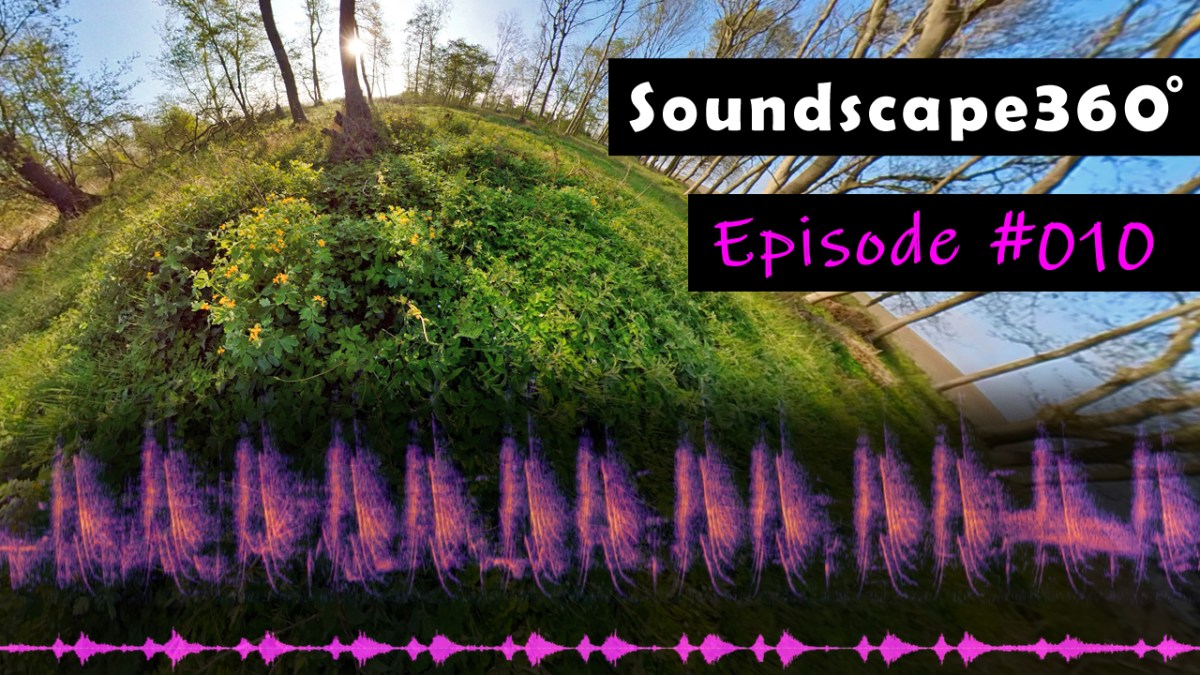
Song battle between Thrush Nightingale and Icterine Warbler
An intense morning in a small forest patch that is surrounded by pastures and lush meadows. Spring is in full swing and all birds wish to get heard in the dawn chorus. The two loudest singers, Icterine Warbler and Thrush Nightingale, dominate the morning, but Common Redstart, Eurasian Blackcap, Common Chaffinch and Common Blackbird give their best to get heard as well. The sounds of birds, mammals, amphibians, insects or anything that is human-related are annotated in the spectrogram…
Read more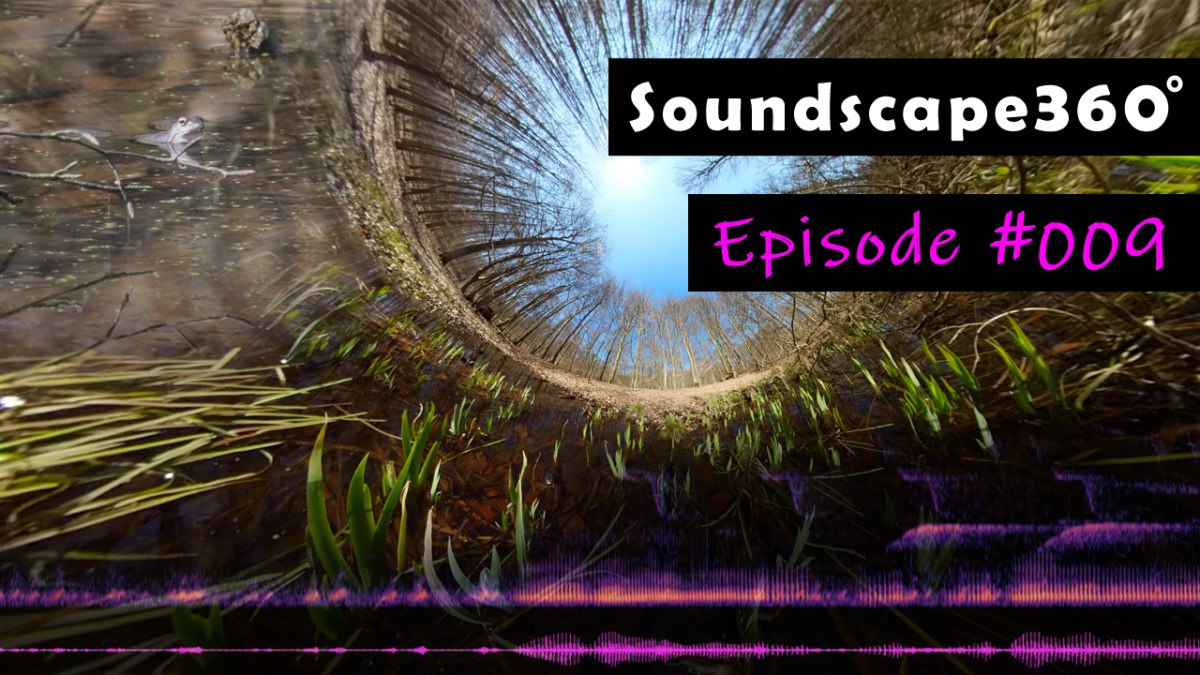
Calling Common Frogs and Moor Frogs at a water pool in spring
It is early spring and the first warm days of the season arrived. At noontime the temperatures reach almost 20°C for the first time of the year. Wind blows through the trees. The birds already slowed down their daily singing activity, but in a small and shallow and sunlit water pool amphibians become active. It takes a couple of minutes until the first Moor and Common Frogs start calling. Splashing sound comes from fighting and spawning. Other clicking sounds…
Read more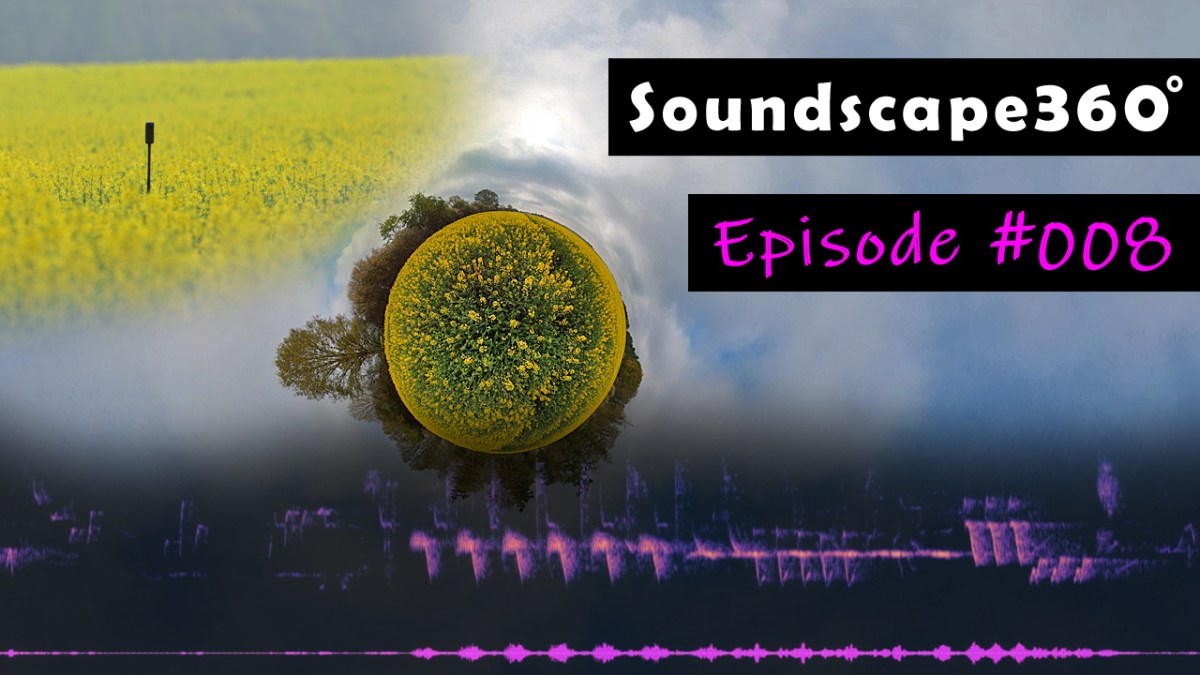
Listen to the intense song of the Common Nightingale
This soundscape is located in a yellow rapeseed field that is surrounded by hedgerows and a small forest patch. The intense songs of two Common Nightingales dominate this recording, but other bird species can also be heard. The sounds of birds, mammals, amphibians, insects or anything that is human-related are annotated in the spectrogram below and include: Common Nightingale – Nachtigall – Luscinia megarhynchos Common Chiffchaff – Zilpzalp – Phylloscopus collybita Common Chaffinch – Buchfink – Fringilla coelebs Dunnock…
Read more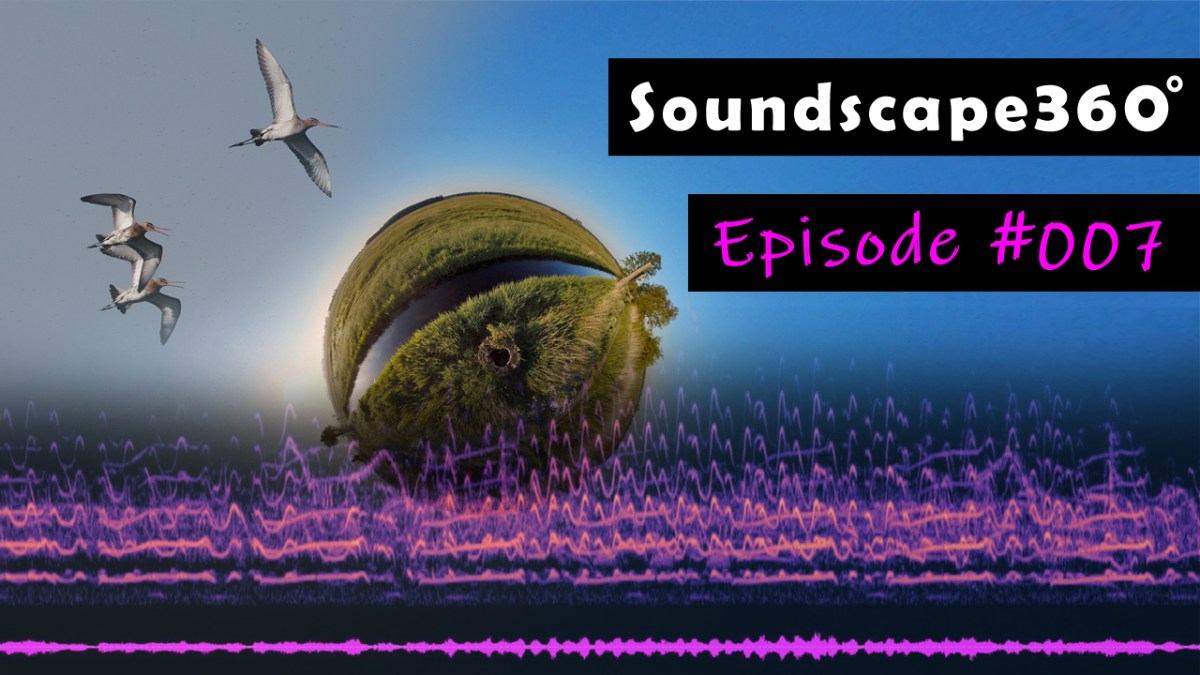
The vibrant sound of meadows and pastures with calling curlews, godwits and lapwings
This meadow soundscape is dominated by the continuous songs of Eurasian Skylarks and the loud calls three wader species: Black-tailed Godwit, Northern Lapwing and Eurasian Curlew. Waders are ground-nesting birds and were once widespread in Central Europe’s grasslands. Due to intense land use and transformation of their habitats they disappeared in many parts, so that this soundscape must be regarded as rare. Furthermore, predation of eggs and chicks cause additional loss, but waders are able to defend their breeding…
Read more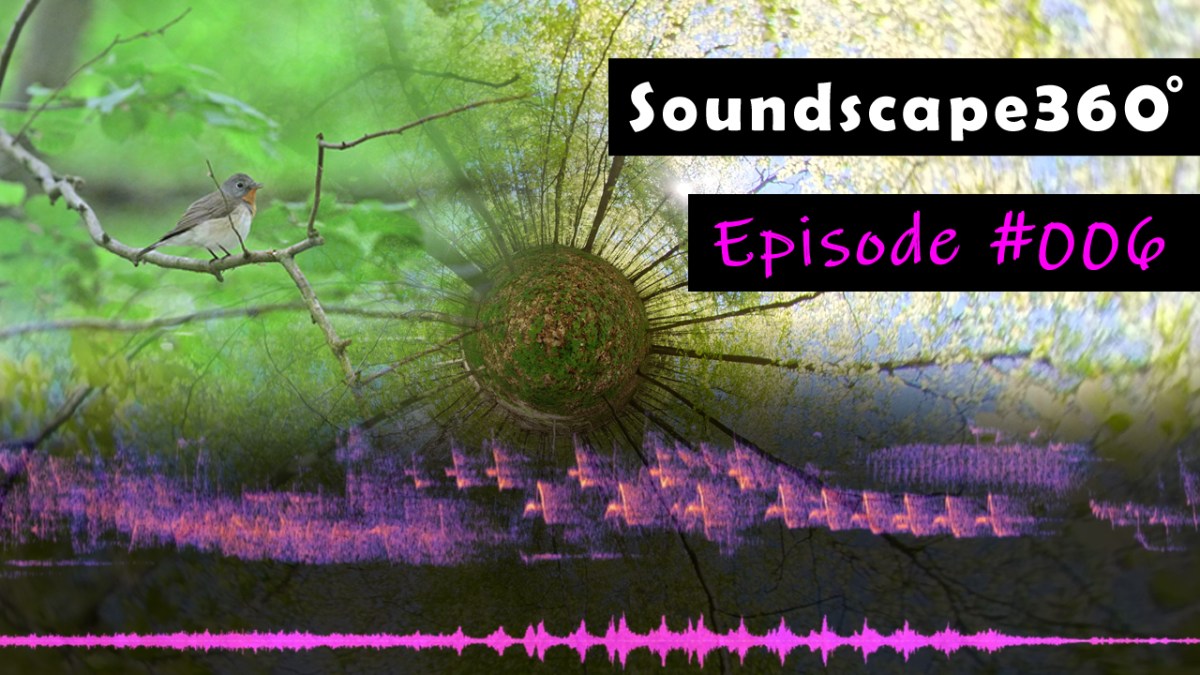
Red-breasted Flycatcher, Firecrest & Wood Warbler singing in Forest
From a German perspective the Red-breasted Flycatcher is the highlight of this soundscape. This species is restricted mainly to the northern and eastern parts of the country and a typical inhabitant of Beech forests. Its appearance resembles that of a European Robin, but its rhythmic song and its attitude to live high up in the canopy makes this species unmistakable. The sounds of birds, mammals, amphibians, insects or anything that is human-related are annotated in the spectrogram below and…
Read more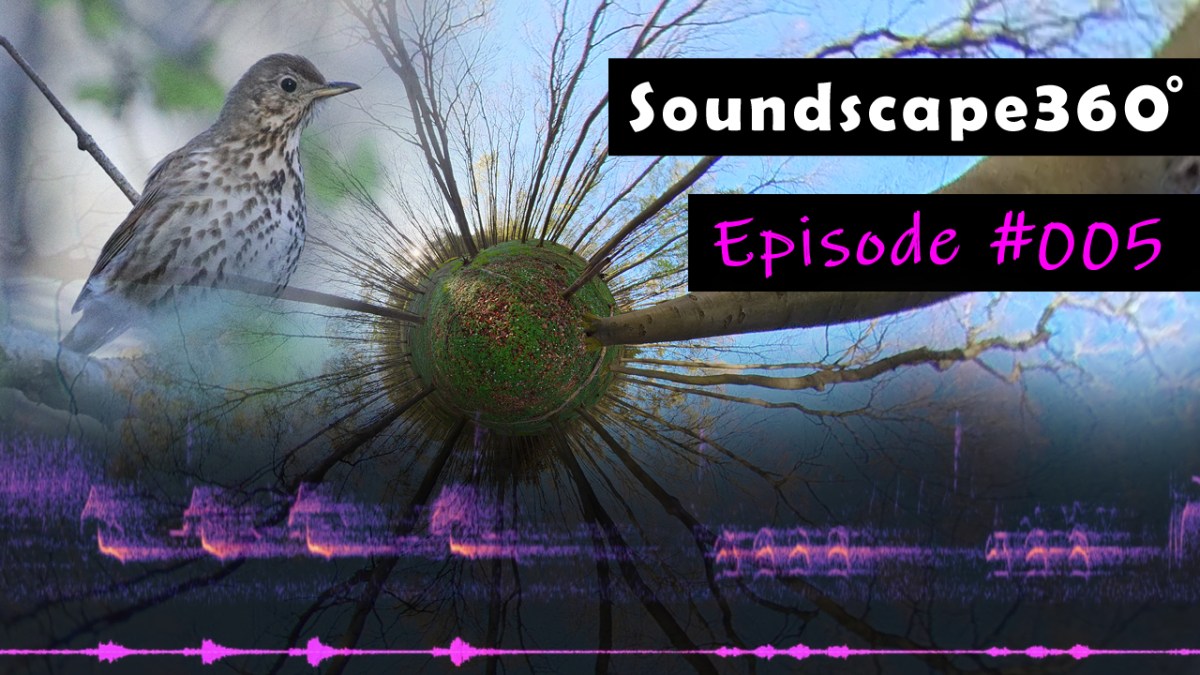
Calming bird songs in an European Beech forest
A cold morning in a Central European Beech forest. Bird song activity is rather low, but the loud song of a Song Thrush can be heard throughout the recording. Despite its song is very variable, the repetitive elements makes this species an easy one to learn during a forest walk. The sounds of birds, mammals, amphibians, insects or anything that is human-related are annotated in the spectrogram below and include: Song Thrush – Singdrossel – Turdus philomelos Great Tit…
Read more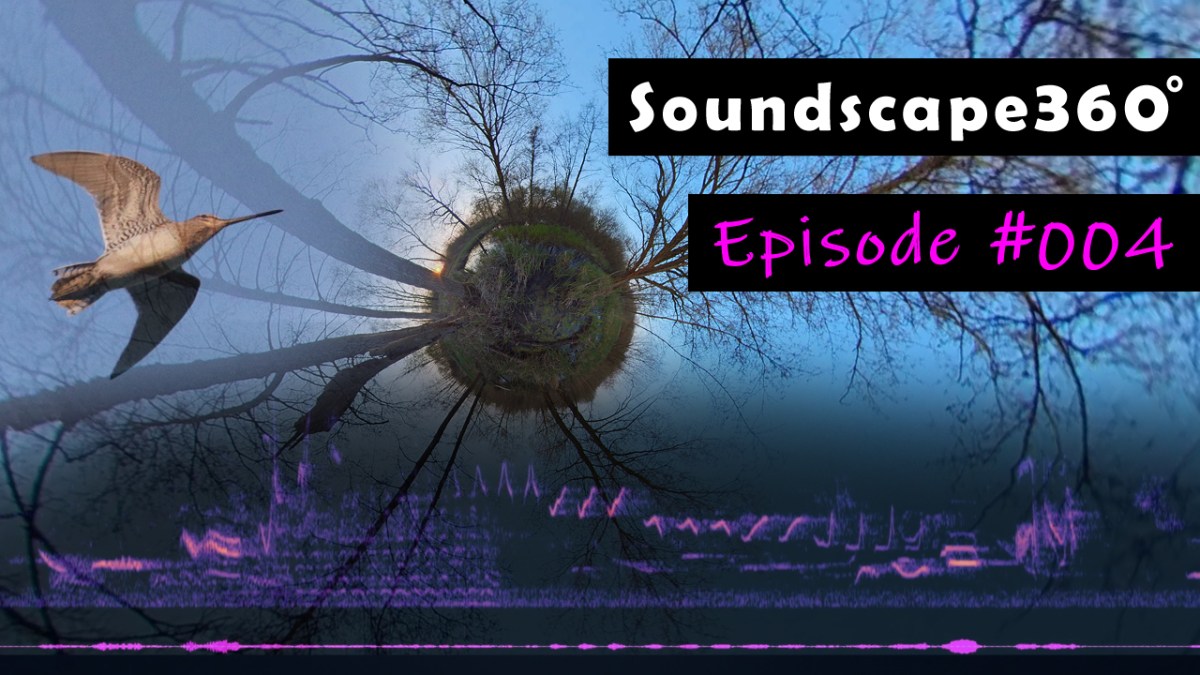
Displaying Common Snipe in swamp forest at the Peene river
A warm evening in a swamp forest along the Peene river in northeastern Germany. Song Thrush, Common Blackbird, Willow Warbler and Chiffchaff are continuously singing and provide an unstressed atmosphere. The unusual sound of a Common Snipe can be heard a couple of times. This vibrating sound comes from spread tail-feathers during deep dives while flying. Noise from a nearby road and overflying airplanes are hints for the Anthropocene. The sounds of birds, mammals, amphibians, insects or anything that…
Read more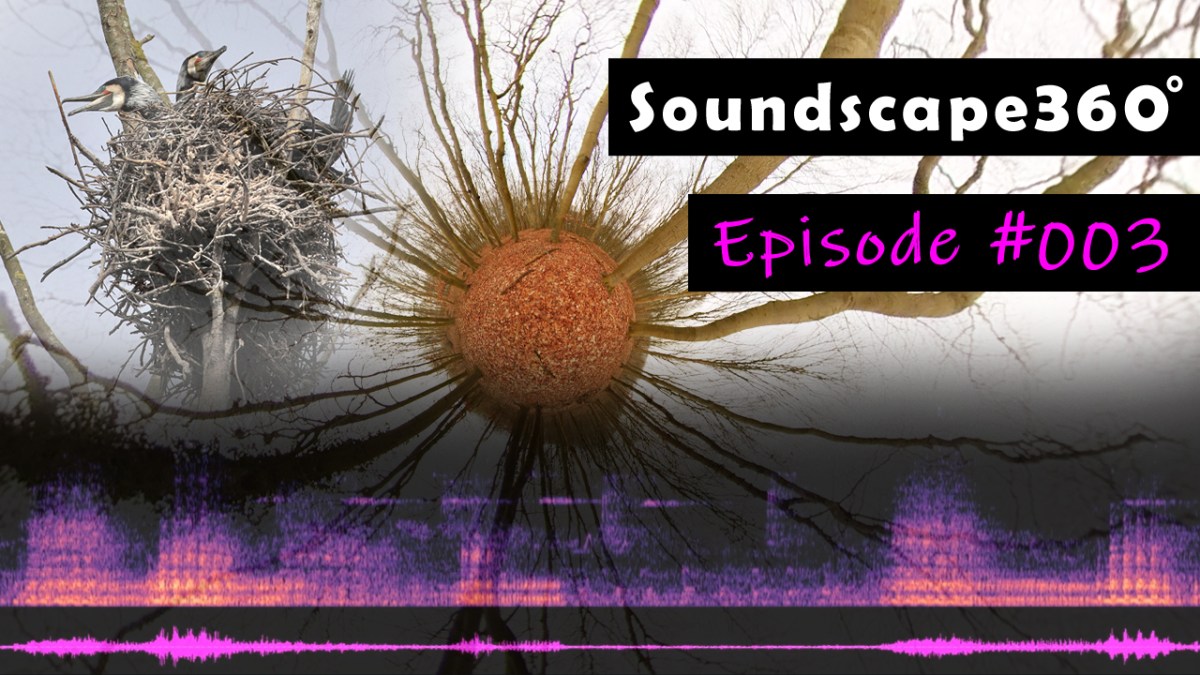
Great Cormorant colony at the Baltic Sea
Maybe this was the sound of dinosaurs? The strange noise at seabird colonies have always an ancient touch. Here, the sound recorder was placed into a colony of Great Cormorants. Their deep, guttural calls shape this soundscape. The sounds of birds, mammals, amphibians, insects or anything that is human-related are annotated in the spectrogram below and include: Great Cormorant – Kormoran – Phalacrocorax carbo Great Tit – Kohlmeise – Parus major Blue Tit – Blaumeise – Cyanistes caeruleus Grey…
Read more
Calling woodpeckers vs. noisy chainsaw in late winter forest
The last patches of snow melting in the late winter sun. The resident bird species already usher the upcoming breeding season with their songs. This soundscape is in general still calm, but the mating season of woodpeckers is in full swing. Drumming and calling of Great Spotted, Middle Spotted and Black Woodpecker can be heard throughout the forest. Suddenly, two woodcutter with chainsaws acoustically interrupt the idyllic atmosphere. The sounds of birds, mammals, amphibians, insects or anything that is…
Read more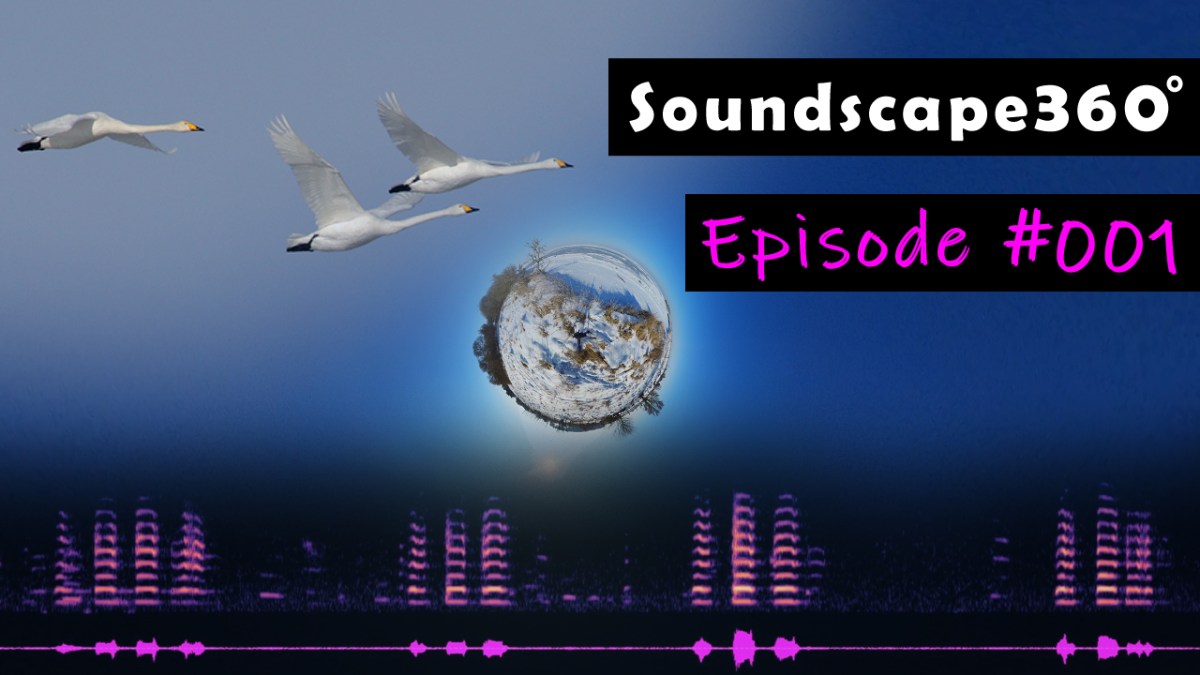
Whooper Swans at the frozen Baltic Sea coast
Freezing cold winter temperatures and a chilly wind at the southern Baltic Sea coast is acoustically warmed-up by the cheerful calls of Whooper Swans. A few dozens of them gather at the remaining ice free holes in the Baltic Sea. Their far-carrying sound is almost the only thing that can be heard in this soundscape. The sounds of birds, mammals, amphibians, insects or anything that is human-related is annotated in the spectrogram below and include: Whopper Swan – Singschwan…
Read more Soundscape360°